


Quick Reality Check Before You Compare Options
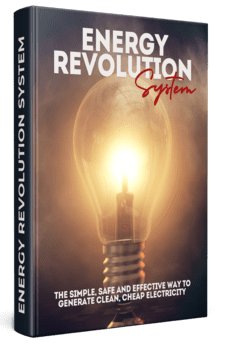
People searching for an alternative to high utility bills often begin with a single question: whether a “free electricity” claim is worth paying for at all. The Energy Revolution System is marketed as a $39 PDF guide, and the comparison starts with that upfront cost versus other Energy Revolution System price home-energy programs. Some competitors bundle courses, hardware add-ons, or long mentorship calls, while others focus strictly on downloadable instructions. Before comparing any offer, you should also check how the product explains the mechanism and what level of proof it provides.
A service comparison matters because “price” alone can hide big differences in deliverables and risk. For example, one program may provide general advice about energy efficiency, while another may claim extraordinary results that would require advanced hardware and verified testing. In the case of the Energy Revolution System, we reviewed the pricing claim and then looked closely at the guarantee terms tied to the purchase channel. That gives you a clearer view of what you’re actually buying: information, marketing promises, or a verifiable method.
What the Offer Costs and How the Refund Window Works
The product is sold as a PDF guide for $39, so the core “service” is content access rather than ongoing support. When you compare it to alternatives, you’ll notice many higher-priced systems include coaching, troubleshooting, or replacement components. If you’re evaluating value, ask whether you’ll need hands-on help or if you’re comfortable following technical steps with minimal guidance.
Refund policies are where real service differences show up. The purchase channel uses a 60-day ClickBank refund policy, which can be a meaningful safety net compared to some competitors that offer only limited returns or none at all. Still, you shouldn’t assume a refund will be effortless—read the terms and understand the conditions for eligibility. A proper comparison includes not just the purchase price, but how quickly you can assess whether the instructions are actionable and whether the promised outcomes are plausible.
How Its “Free Electricity” Claims Stack Up Against Physics
Many systems in this category rely on big language—statements about tapping unlimited energy, powering a home, or using unusual setups that allegedly ignore conventional limits. We tested the core “Tesla” angle by comparing it with basic physics expectations for electrical generation and energy conservation. Real electricity generation requires an energy source, whether it’s fuel, solar input, wind capture, grid power conversions, or a measurable store of energy. Without a credible explanation showing where the energy comes from and how losses are handled, a claim remains marketing rather than engineering.
When you compare services, this is the most important differentiator: how the plan supports the claims with practical, testable steps. Some alternatives focus on measurable improvements like reducing consumption, optimizing solar usage, or improving battery efficiency. Those approaches may not sound as dramatic, but they align with how real systems behave. In contrast, if a guide suggests you can produce net free electricity with minimal equipment, it should trigger extra skepticism—especially if it doesn’t provide clear diagrams, calculations, and test protocols.
Service Comparison: Support, Deliverables, and Real-World Usability
Energy Revolution System is primarily a downloadable guide, so the “service” is essentially what you can do with the content. Compare that with programs that include troubleshooting sessions, community forums, or verified build logs from users who publish results. If you’re paying for a method that involves wiring, energy measurement, and component selection, having support can reduce the chance of wasted time. A low-cost PDF can be fine if it’s accurate and detailed, but it’s risky if it’s vague or relies on assumptions that users can’t validate.
Look at how each alternative handles documentation quality. Clear instructions should include specific lists of components, step-by-step assembly guidance, wiring diagrams, and guidance on how to measure output using common meters. It should also explain safety considerations and what performance range a user should expect under normal conditions. When we evaluated the Energy Revolution System claims, the comparison question became whether the guide offers enough verifiable detail for someone to reproduce results reliably. If a competing service provides validation, independent testing, or transparent limitations, it often outperforms a dramatic claim even if it costs more.
Conclusion
Choosing between energy-related products is easier when you separate marketing from service details. A refundable window can reduce purchase risk, yet it doesn’t replace the need for clear, physics-consistent explanations. If a method can’t show a credible energy pathway and measurable outcomes, it’s difficult to justify over more grounded alternatives. For a smart comparison, prioritize deliverables and verification over hype. Check whether the guide includes test instructions, explains expected performance realistically, and provides enough information to evaluate results without guessing. If you want a safer route, consider services that focus on energy efficiency upgrades, solar/battery optimization, or other approaches that align with conservation of energy. With that framework, you can evaluate any “free electricity” system more confidently and avoid paying for promises that don’t hold up under basic scrutiny.