


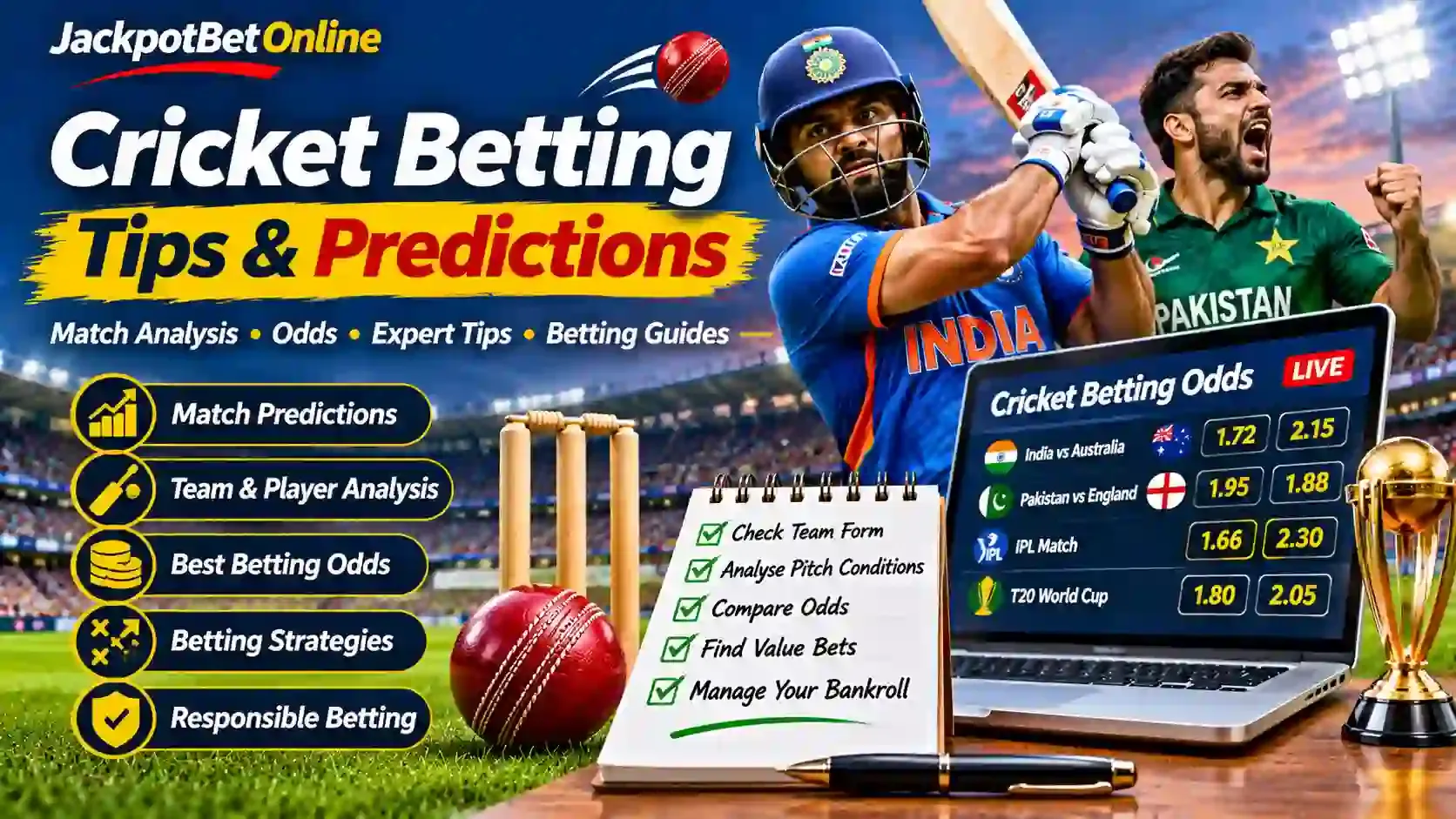
Pre-match research checklist
Before you place a wager, run through a structured research checklist so you’re not relying on vibes or a single highlight. Start by confirming the playing XI and any last-minute squad changes, because cricket lineups can shift quickly and affect both batting order and bowling roles. Next, Cricket betting tips review recent team form using the specific format being played, since tactics and player matchups differ dramatically between Tests, ODIs, and T20 leagues. Finally, check head-to-head trends only as a supporting factor, not as the main driver of your decision.
Then move to the match environment, because conditions often decide how easy it is for batters to score or bowlers to take wickets. Look for pitch notes such as expected pace or turn, and match those expectations to the types of players selected in both teams. Weather also matters: dew can make chasing easier, while rain interruption can change target calculations and risk profiles. Use squad availability and injury reports to estimate how many specialists are actually fit to bowl their usual overs.
Market selection checklist (where value hides)
Once your match understanding is solid, choose markets using a clear checklist that aligns with your analysis. Start with the simplest outcome markets, such as match result, but compare the price you’re seeing against what the lineups and conditions suggest. For example, if the surface looks slow and both sides have strong pace control, a top bowling or wicket-related angle may offer better logic than a pure winner bet. If the game is between closely matched teams, consider markets that reflect partial performance rather than only the final result.
Next, evaluate player-based markets with a checklist of role clarity and opportunity. For top batsman bets, confirm batting position, recent strike rotation patterns, and whether the player is likely to face the bulk of deliveries. For top bowler bets, focus on who has the most overs in the likely innings script, including powerplay and death-bowling assignments. For totals and run lines, check whether the pitch trend suggests a fuller chase, a defendable total, or an innings cutoff due to conditions. Always remember that cricket markets price uncertainty, so your job is to identify which uncertainties are overstated or understated by the odds.
Betting odds and risk checklist
Odds can change fast, so manage your risk with a checklist that prevents impulsive decisions. Compare available prices across bookmakers when possible, and make sure you’re comparing the same market type and rules, such as whether a “top run scorer” bet includes ties or no-balls. Watch for line movement after team news breaks, because a small shift can indicate new information about fitness or role changes. If you’re using live betting, decide in advance what trigger you’re waiting for, such as a batting collapse signal or a change in bowling strategy.
Bankroll management should also be part of your checklist, not an afterthought. Decide your unit size before the match begins and stick to it, especially in long tournament schedules where variance is common. Avoid stacking multiple bets that depend on the same underlying event, like wickets falling early and then also a low total, because correlated outcomes can multiply risk. If you’re unsure, diversify across markets rather than doubling down on one theme. And if the odds don’t reflect your edge after accounting for uncertainty, pass the bet—discipline is often the difference between short-term swings and long-term results.
In-play strategy checklist for wicket and run swings
In-play betting can be useful when you follow a checklist that keeps you disciplined under pressure. Start by tracking the current game state in relation to the match conditions: for instance, if the pitch is gripping, wicket patterns may shift once set batters change tempo. Watch for over-to-over changes in bowling matchups, because captains often react to matchups in real time, which can affect both run rate and dismissal probability. Also monitor field placements and batting intent, since aggressive batting often increases boundary opportunities but can reduce wicket risk for batters who are timing well.
Then set practical triggers for common in-play markets. If early wickets fall and the required run rate rises sharply, totals strategies may need adjustment, while top-batsman bets could become more volatile depending on which batter is still set. For wicket markets, watch whether key bowlers are still operating in their primary phases, and whether they’re receiving enough overs to justify the price. For overs and innings totals, ensure you understand the remaining overs and any powerplay limitations, then compare that to how the batting is pacing. The goal is to bet with evidence, not frustration.
Finally, keep your checklist focused on process rather than outcome. Record what you expected before you placed the bet and what actually happened, so you can identify mistakes like misreading the role of a player or ignoring a pitch shift. Use that review to refine future decisions, such as choosing markets that better match your confidence level. Cricket is dynamic, but your method should be consistent.
Conclusion
Using a checklist approach to cricket betting helps you organize research, choose the right markets, and control risk with clear rules. You’re aiming to make decisions based on lineup strength, conditions, and market structure rather than only on reputation or recent hype. When you combine pre-match checks with a disciplined in-play process, you reduce the chance of chasing the wrong narrative. That’s how you build a more consistent betting routine across different competitions and match formats. Remember that no checklist can eliminate uncertainty, because cricket outcomes still depend on timing, skill execution, and game-flow randomness. Stay responsible with your bankroll and avoid chasing losses, especially when odds shift after team news or momentum changes. If you want additional match previews, market explanations, and educational guides, Jackpot Bet Online focuses on transparent analysis and responsible gambling. Use the checklist as your foundation, and keep improving your understanding of cricket odds and player roles each time you bet.